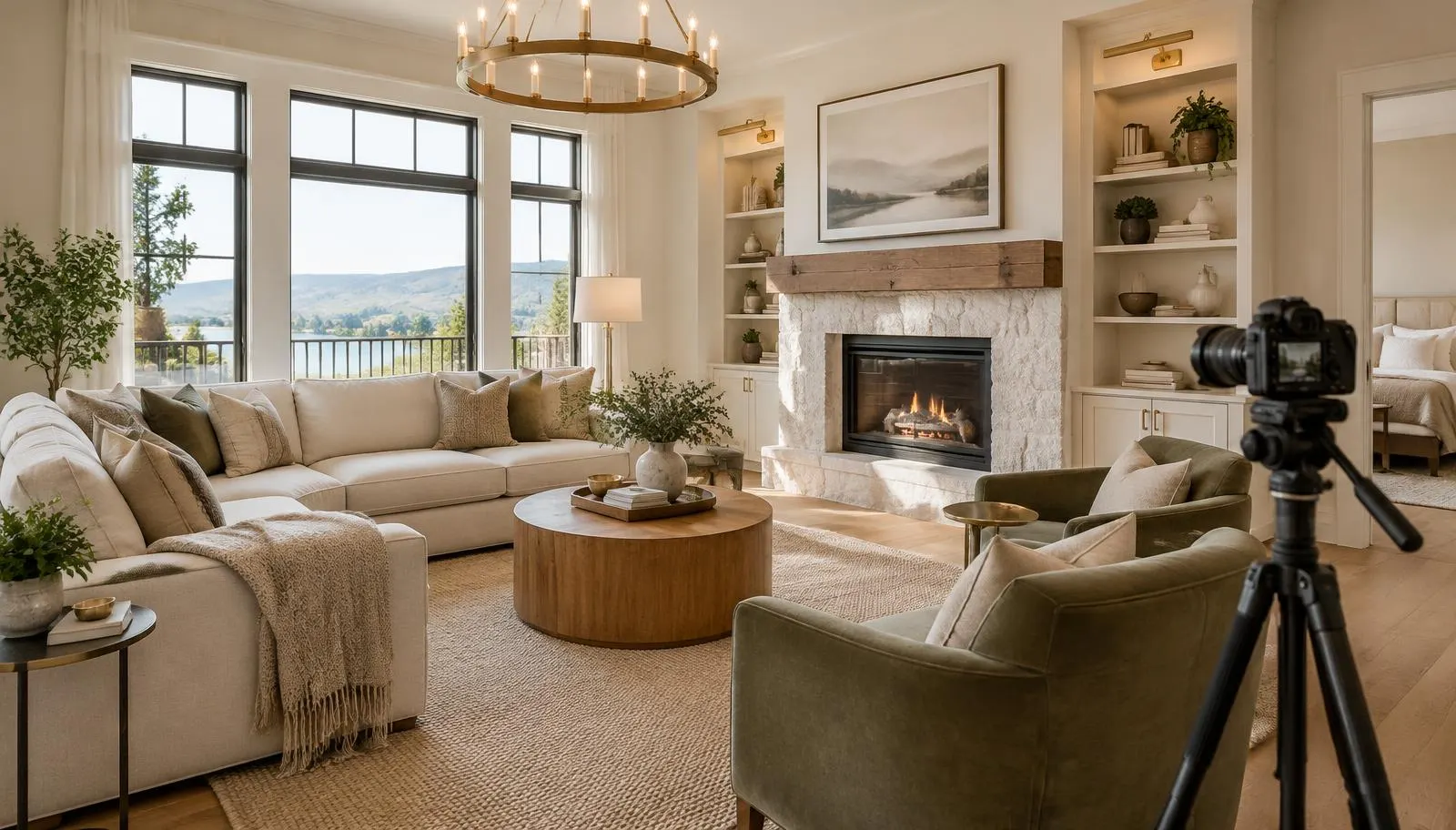
A listing is the only part of your property most guests ever judge before they book. Photos, title, description, amenities, reviews, price and stay rules all sit on one page, and Airbnb's own guidance says those signals affect where the listing appears in search. Pinnacle Path reviews the whole listing as a commercial asset: what a guest sees, what Airbnb's search can read, and whether the price and calendar settings support the bookings you actually want. The work is practical and specific to your home, and it never comes with a promised ranking or revenue figure.
Airbnb publishes a plain explanation of how its search results work. It says the quality, popularity, price and location of a listing heavily influence where it appears. Quality includes photos and videos, ratings and reviews, communication with guests and listing characteristics. Popularity draws on guest engagement such as wishlist saves, messages and bookings. Price is judged partly by how the total price compares with similar listings nearby for the same dates.
That matters because it tells you where optimization effort is likely to count. Location is fixed. Everything else is influenced by how the listing is presented, priced and run. Some of the levers are quick, such as correcting amenities or tightening a title. Others build over time, such as review quality and response behaviour. A good optimization plan separates the two so you know which changes to expect early and which are a longer project.
What our listing optimization service covers
We review the listing the way a guest and a search algorithm both encounter it. The result is a written set of recommendations, ranked by likely impact and effort, with the reasoning behind each one. Where you choose ongoing support, we implement and monitor the changes with you rather than leaving a checklist behind.
Photo order, coverage and gaps: does the first image sell the stay, and are bedrooms, bathrooms and outdoor space all shown?
Title and description: clear, accurate and written for the guests who book this home, not keyword lists
Amenities and listing characteristics: complete, correct and including features guests actively filter for
Price settings, discounts and fees reviewed against comparable homes and the total price guests see
Minimum stays, gap nights, advance notice and booking window settings
House rules, check-in information and cancellation policy, checked for clarity and fit
Review themes: recurring praise to highlight and recurring issues to fix at the property
Photos, title and description that match the guest
Airbnb notes that high-quality photos and videos help attract attention and improve engagement, and that a comprehensive description helps guests develop the confidence to book. In practice, the most common problems we see are an unhelpful first photo, missing rooms, and descriptions that repeat the amenities list instead of explaining what staying there is like.
We start by identifying the guest the home suits best: a family wanting space and a yard, a couple on a weekend break, a remote worker needing a reliable desk, or a group travelling for an event. The photo order, title and opening lines are then built around that guest's first questions. If new photography is needed, we write a shot list so the photographer captures what the listing is missing rather than repeating angles you already have.
Accuracy protects reviews
Overselling a listing can win a booking and lose a review. Every description we write must match the property as it is today. If a hot tub is out of service, a view is partial or parking is on the street, the listing should say so. Accurate expectations are one of the simplest ways to protect ratings, and ratings feed directly back into the quality signals Airbnb describes.
Amenities, filters and listing characteristics
Many guests search with filters for a pool, pets allowed, a crib, a dedicated workspace, free parking or step-free access. Airbnb's guidance says adding sought-after amenities or characteristics can make a listing more attractive and improve visibility in searches for those features. If an amenity exists but is not ticked, the listing may simply not appear for guests who filter for it.
We audit the amenities list line by line against the property, then flag anything worth adding physically, such as blackout blinds, a proper desk or a travel cot, where it fits the target guest. We will not recommend claiming amenities you cannot reliably provide. Our Airbnb listing optimization guide explains the wider checklist if you prefer to start on your own.
Pricing settings are part of the listing
Airbnb's Review your price resource describes several pricing tools available to hosts, including price tips, Smart Pricing and a similar-listings view that compares the average prices of booked and unbooked homes nearby. It also describes a dynamic pricing option being rolled out to hosts. These tools are useful inputs. They are not a strategy on their own, and they do not know your costs, owner stays or goals.
Listing optimization therefore includes the settings that sit behind the price: base rate, weekend and seasonal adjustments, length-of-stay discounts, cleaning fees and the total amount a guest sees at checkout. A listing that looks reasonable per night can look expensive once fees are added. Where you want ongoing rate management rather than a one-off review, our Airbnb dynamic pricing management service covers the daily decisions.
Calendar rules, availability and booking settings
Airbnb states that the more dates a listing has available, and the more flexibility it offers on length of stay, the more likely it is to match a guest's plans and appear in search. That does not mean opening every date at any length. It means checking that minimum stays, advance-notice windows and blocked dates reflect a deliberate choice rather than an old default.
We look for orphan nights between bookings, minimum stays copied from peak season into quiet months, and booking windows that close too early or open too late. Airbnb also notes that instantly bookable listings may rank higher because the booking is confirmed without the host needing to accept. Whether Instant Book suits your property depends on your house rules and screening needs, so we discuss the trade-off rather than switching it on by default.
Reviews, response times and hospitality signals
Airbnb's search explanation references the Superhost criteria, including cancellations, responsiveness and ratings, as factors it considers when ordering results. Those are operational, not cosmetic. A listing optimization service cannot write your reviews, but it can identify the patterns behind them.
We read recent reviews for recurring themes: check-in confusion, cleanliness comments, noise, missing kitchen basics, or praise for a host's local tips. Each theme becomes a specific action, such as clearer arrival instructions, a cleaning checklist change or a description update. We also review message templates and response routines so guests get fast, accurate answers, whether you or a co-host handles communication.
Listing optimization across US markets
Guest expectations differ across the United States. A mountain cabin, a beach condo, a city apartment near a convention centre and a desert pool home attract different guests at different times of year. We review your listing against comparable homes in its own market and season rather than applying a national template. For multi-unit owners, our multi-property revenue management page explains how we coordinate listings across a portfolio.
Local rules also matter. Some US cities require registration or limit short-term rentals; New York City's short-term rental registration law is one example. Your listing should show any required permit or registration number and reflect any restrictions that apply. We do not give legal advice, but we will flag where the listing may need to reflect local requirements and point you to the official source.
How the engagement works
We begin with a consultation and a review of your live listing, recent bookings and reviews. You receive a prioritised set of recommendations with a clear explanation of what we expect each change to influence. You can implement them yourself, or we can work through them with you and monitor the results over the following weeks.
Listing optimization is often part of our Optimize package, which covers revenue and listing work while you keep control of daily operations. You can compare options on our packages page and read about fees on our pricing and management fees page. If you would prefer full-service support, see our Airbnb management service. Whatever you choose, results depend on your property, market, season and execution, and we do not guarantee rankings, occupancy or revenue.
Frequently asked questions
What is included in an Airbnb listing optimization service?
A review of photos, title, description, amenities, pricing settings, fees, stay rules, house rules and review themes, followed by prioritised recommendations. With ongoing support, we also implement and monitor the changes with you.
Can you guarantee my listing will rank higher on Airbnb?
No. Airbnb's search uses many factors, including location and guest behaviour that nobody outside Airbnb controls. We work on the factors Airbnb publicly describes, such as quality, price and availability, but we never promise a ranking.
Do I need new photos?
Not always. Reordering existing images and filling a few gaps can be enough. If coverage or quality is weak, we provide a shot list so new photography fixes the specific problems we found.
Will you change my listing without asking?
No. Every change is agreed with you first. You keep control of your Airbnb account, and we explain the reason behind each recommendation.
Is this only for Airbnb?
Airbnb is the focus of this page, but the same review can cover your Vrbo or Booking.com listings so guests see a consistent, accurate offer on every channel.
Official sources
Platform policies and rules change. These sources were reviewed when this page was written and are not legal or tax advice.