Pinnacle Path · Amsterdam
Airbnb Management in Amsterdam
Amsterdam Airbnb management starts with eligibility and a limited rental calendar, not a year-round occupancy target. For an owner renting out a primary residence during an absence, the task is to make permitted stays run smoothly while protecting the home and its neighbours. Pricing, distribution and local operations must work inside the city's rules rather than treating them as an afterthought.
Pinnacle Path can discuss revenue optimisation, advisory support or an operational scope appropriate to the property. Those services are different from permission to let a home. Before comparing management fees, establish whether your address qualifies, how many nights remain available and who will meet guests' needs while you are away. A commercial plan that ignores those boundaries is not a useful plan.
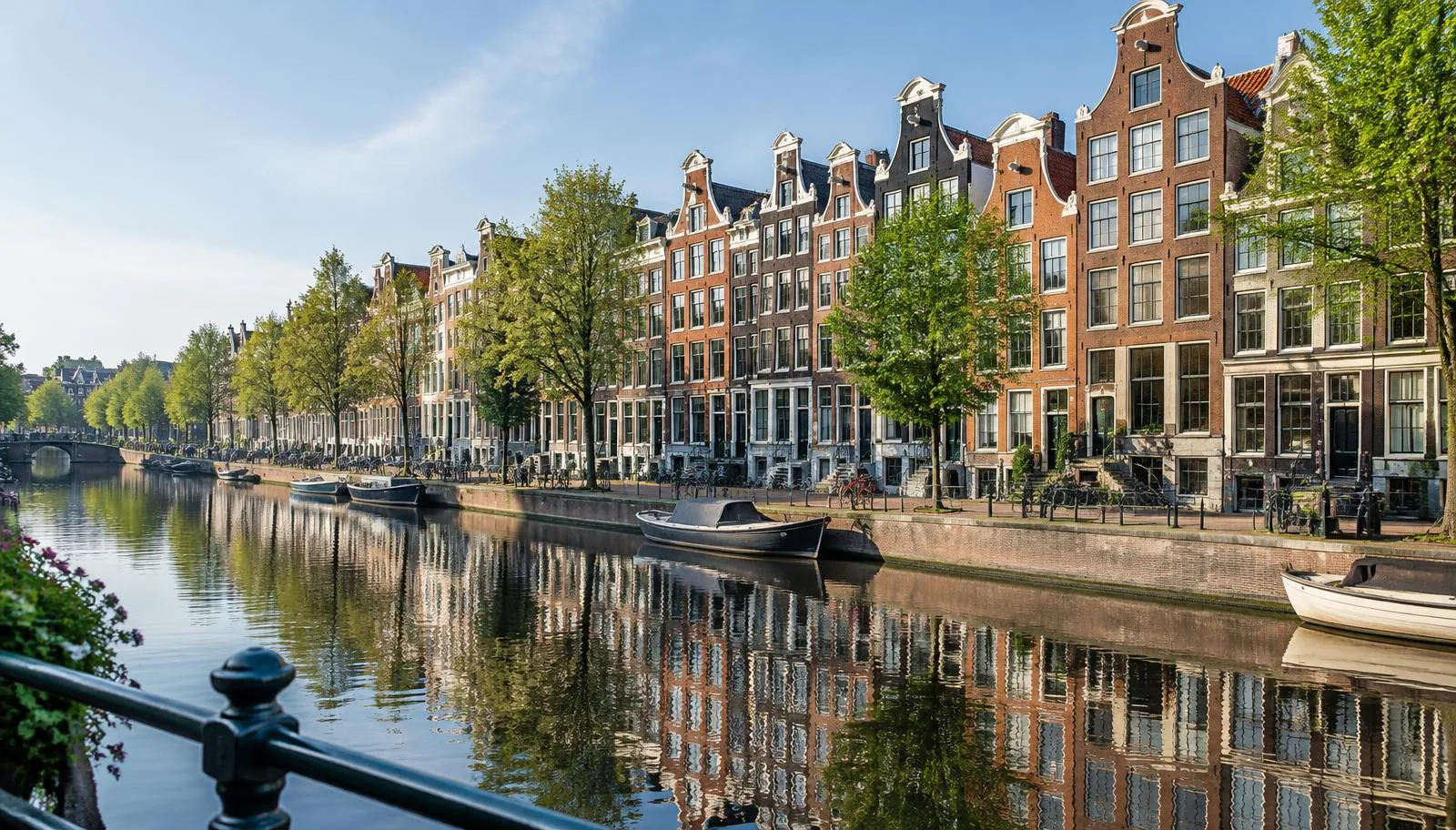
Understand Amsterdam's holiday-rental conditions
The City of Amsterdam says you need a holiday rental permit to rent out your home or houseboat to tourists, must live and be registered at the address, and must report every rental period before guests arrive. Its published rules require a tourist-rental registration number in advertisements, limit a stay to four guests and prohibit holiday rental of housing-association homes.
Check the address-specific night limit
The normal maximum is 30 nights per calendar year, but the city now applies a 15-night limit in specified parts of Centrum and De Pijp. Its dedicated guidance lists the affected neighbourhoods, including Jordaan, parts of the Grachtengordel and Oude Pijp. Check the official address and neighbourhood guidance rather than relying on a general article about Amsterdam.
The city also says nights used by a previous resident in the same calendar year count towards a new resident's limit. If you rent privately, the owner's permission is required; an Owners' Association may also need to give permission. Fire safety, tax obligations and preventing nuisance remain relevant. These conditions are drawn from the cited city guidance, not a claim that Pinnacle Path can approve your property.
Treat rental nights as a finite resource
A limited annual allowance changes the revenue question. The goal is not to sell every date on every platform; it is to choose suitable permitted stays from the dates you can genuinely offer. Start with your own travel plans, maintenance needs and the nights already used or reported. Keep that record separate from the calendar guests see.
Set availability deliberately and maintain one reliable view of reservations across channels. A channel manager can help synchronise booking calendars, but it does not automatically establish eligibility or fulfil municipal reporting obligations. Assign responsibility for the city's notifications and checking the remaining allowance. Close availability when your lawful limit or your owner's schedule requires it.
Avoid the longer-stay shortcut assumption
Do not assume that changing a listing's minimum stay turns a holiday rental into a permitted residential letting. Different letting arrangements can involve different housing, tenancy and tax rules. Seek qualified advice before changing the use of your home. A management proposal should identify the intended activity clearly, not use ambiguous language about renting it for the rest of the year.
For broader location context, read Amsterdam destination overview.
Present an honest Amsterdam home
Visitors comparing homes need to understand everyday details that photographs can miss. If the property has steep stairs or no lift, say so. Describe the entrance, luggage access, sleeping arrangements and bathroom layout accurately. Where a home overlooks a canal or has outdoor space, distinguish the property's actual features from nearby public places. Avoid vague claims of accessibility without checking them.
Useful local guidance can explain the nearest transport options, where guests may leave bicycles and how to reach the entrance without disturbing neighbours. Give directions rather than promising a fixed travel time. Confirm whether a workspace is genuinely usable and whether Wi-Fi has been checked. Amenities should support the guest's stay, not simply make a longer listing description.
Neighbour relationships deserve a written plan. The city asks hosts to agree clear guest rules, tell neighbours before rental begins and provide a contact number for problems. Explain quiet hours, waste arrangements and building access without making the guest feel unwelcome. A named local responder is more practical than an automated message when someone cannot open the door.
Price for permitted dates, not speculative demand
Review actual bookings when you have them: achieved rates, cancellation patterns, length of stay and the cost of preparing the home. An advertised rate on another listing is not evidence of what guests paid. Compare genuinely similar homes, taking account of stairs, layout, permitted capacity and available dates. Separate owner-use nights from nights you intended to sell.
Evaluate the full stay economics
Cleaning, linen, channel fees and the time required for each turnover affect what a booking is worth. Consider whether a short reservation leaves an unusable gap inside your planned absence. Establish who approves discounts and which rate boundaries apply. The highest nightly asking price may deliver a poorer overall result if it prevents suitable bookings or creates disproportionate work.
Confirmed cultural or business calendars can inform a review, but they are not a guarantee of demand for your home. Check your own enquiry pattern and booking pace before making adjustments. With a restricted allowance, avoid automatically opening extra dates to chase occupancy. Responsible revenue optimisation should preserve compliance and owner use even when that limits what can be sold.
For the general pricing framework, see dynamic pricing playbook.
Separate revenue advice from local property care
Revenue management concerns positioning, prices, restrictions, distribution and reporting. Full-service management also involves arrival support, cleaning, maintenance coordination and responding to guests. An Amsterdam owner may already have a trusted cleaner or keyholder and need only the first set of tasks. Another may need a local operational plan for a specific absence.
Apply Pinnacle Path's packages selectively
Optimize starts from $499 per property per month for revenue and listing optimisation while the owner retains day-to-day control. For an Amsterdam primary residence, compare the ongoing scope and term with the small lawful rental window before committing. It may be unsuitable if your available dates do not justify a continuing engagement; the consultation should acknowledge that possibility.
Advise starts from $1,500 per engagement and provides an operating review, rate strategy and improvement plan for your own team to execute. It can frame decisions about limited dates and responsibility without implying full management. Operate is custom-priced; any proposed arrival, housekeeping or maintenance coordination must be confirmed for your property and lawful letting arrangement rather than assumed from the package name.
Zero Management is a 50/50 share only of revenue above an agreed baseline, not half of all bookings. It requires a suitability and performance-history review. A restricted primary-residence calendar must be reflected in how the baseline is defined and measured. The agreement cannot create extra permitted nights or override city conditions. Review the package terms before comparing it with a conventional fee.
Review scope and engagement terms in Pinnacle Path packages.
Your pre-rental checklist
Prepare a compact record before requesting support. This should show what you are legally allowed to offer, what remains available and which parts of the stay already have a reliable local owner. That makes the consultation about your home rather than a generic Amsterdam income estimate.
- Confirm primary-residence eligibility, permit and registration status against current city guidance.
- Verify whether the address has a 15-night or 30-night limit and record nights already used.
- Secure required landlord or Owners' Association permission and review insurance.
- Assign pre-arrival rental notification, guest support, cleaning and emergency responsibilities.
- Gather listing links, your permitted travel dates and any real booking and cost history.
Amsterdam owner questions
Can I offer an investment apartment as an ordinary holiday rental?
The city's holiday-rental conditions require you to live and be registered at the address. Do not assume a separate investment property qualifies. Ask the municipality or a qualified adviser about the applicable arrangement.
Does the 30-night limit apply everywhere?
No. The city lists areas with a 15-night annual maximum. Check its current address-specific guidance and your remaining allowance before accepting reservations, even if a platform calendar appears open.
Can a channel manager report stays to the city for me?
Calendar synchronisation does not itself prove municipal notification has happened. Assign responsibility explicitly and retain confirmations. Amsterdam requires each rental period to be reported before guests arrive.
Is revenue optimisation the same as full management?
No. Pricing and listing support do not automatically include a local keyholder, cleaning or maintenance. Pinnacle Path's consultation should define which tasks are included and who performs the remaining work.
Discuss your property with Pinnacle Path
Share your property and listings to discuss a suitable scope, without earnings guarantees.